Four providers, no shared file
Most men who come to Doctor of Strength already have a team. A physician who runs labs once a year. An orthopedist who saw the knee once. A physical therapist who discharged them at six weeks. A trainer who has never seen the imaging.
Each of them is competent, and none of them is reading the same file. That gap is where a recurring injury lives: the orthopedist’s advice never reaches the trainer, and the physical therapist never hears what you lift on Tuesday.
What coordination looks like
- One picture of your case. Your history, your records and your current training, held in one place and kept current for as long as you are in the program.
- Your providers, kept in step. Where your case calls for it, and with your written authorization, Dr. Sheppard coordinates with your primary care physician, orthopedist or local rehab provider, so they are working from the same picture.
- A written summary for your physician. Outside California, the output is a clear clinical summary for your own physician: what was found, and the specific question worth asking. In California, Dr. Sheppard can request imaging directly under his license.
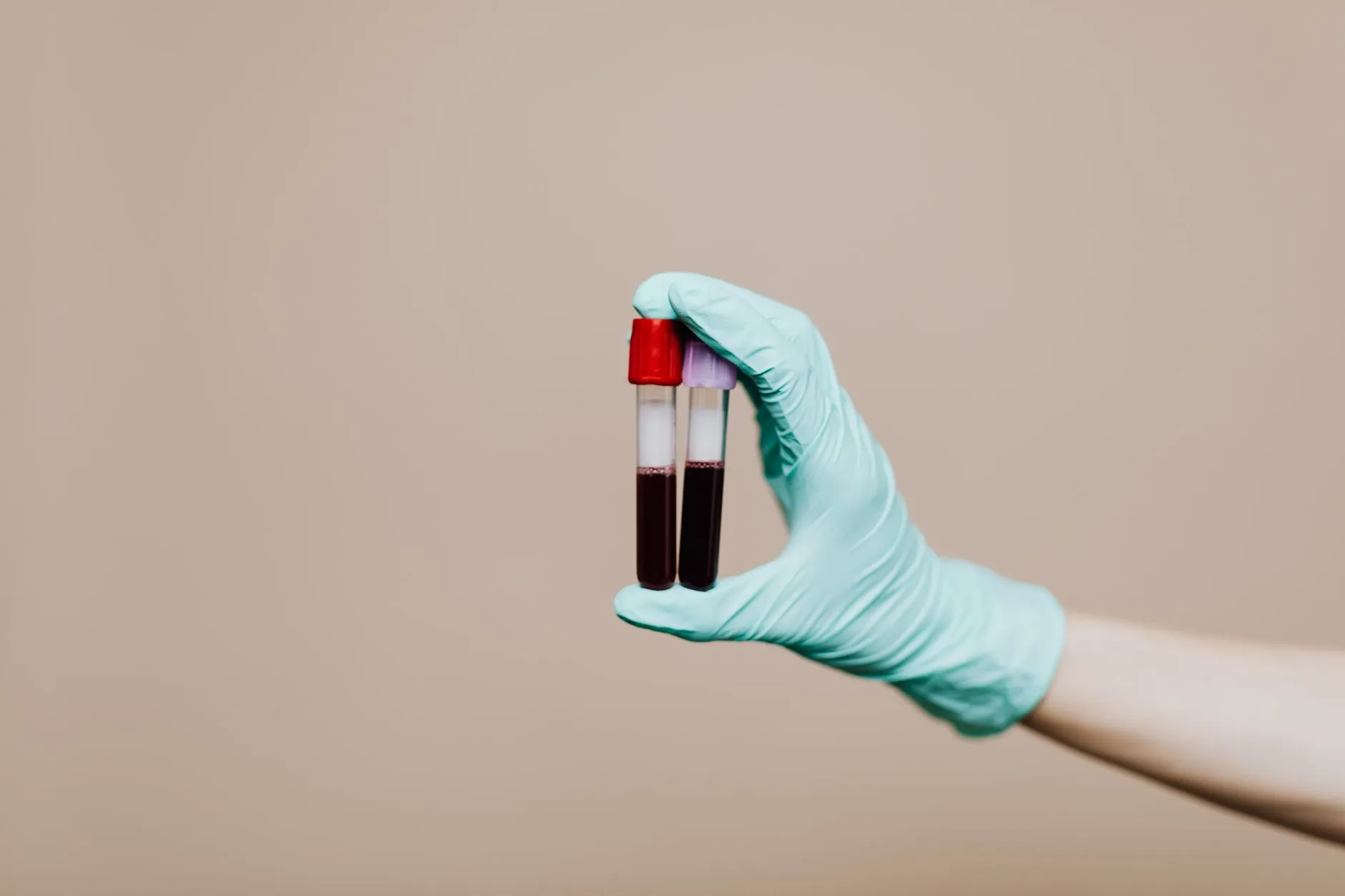
- Better questions at your next appointment. You go in knowing what to ask for and why, including the specific blood panel markers on your list.
Why a clinician does this
Since 2019 Dr. Sheppard has served as an expert witness in about 200 California workers’ compensation cases. That is years of reading how the healthcare system actually handles an injury, and where it tends to drop it: between the scan and the program, between discharge and the next flare.
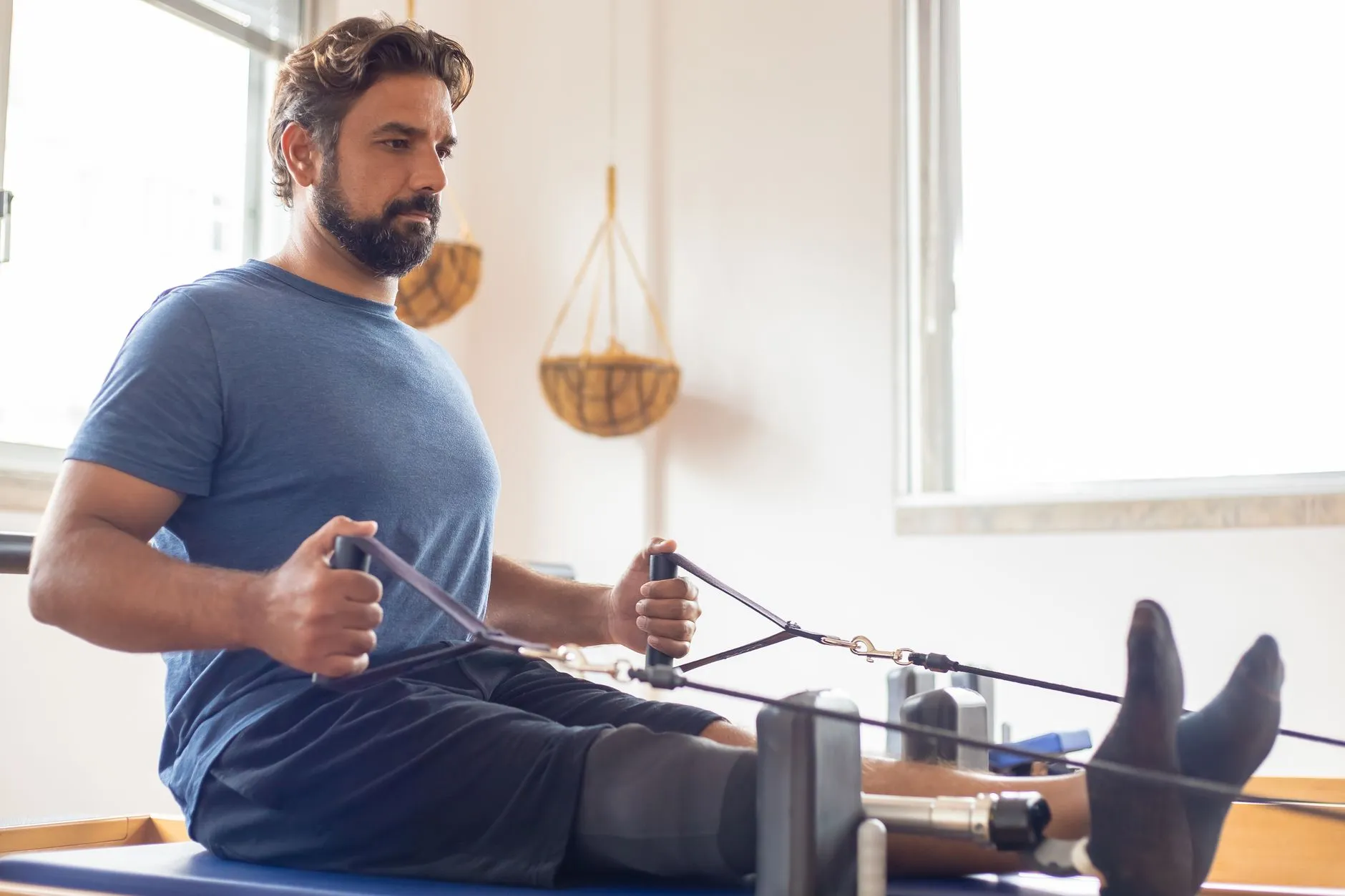
That experience is what this service draws on. It is also why it sits inside the coaching rather than beside it. Whatever your providers decide changes what you do in the gym that week.
What it is not
Care coordination is not a diagnosis, a second medical opinion or a referral service. Decisions to order imaging, prescribe or treat stay with your treating physician. If what you describe needs a physician before a program, you will hear that on the first call, along with who to see.
How to start
It is part of Foundation 90. If you want the whole picture first, The Baseline reads the records you already have and ends with a written report. Or start with a free 15-minute call.