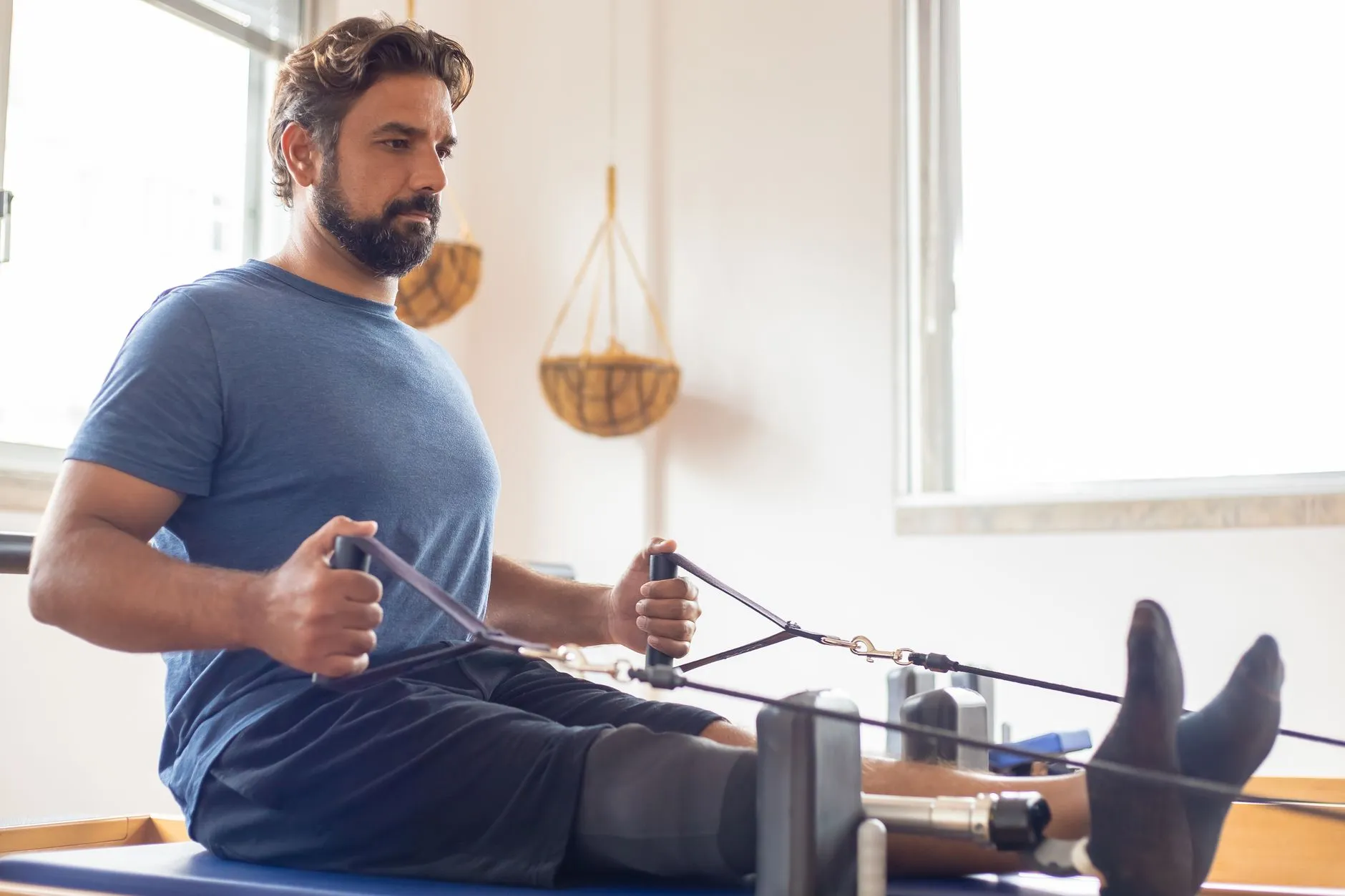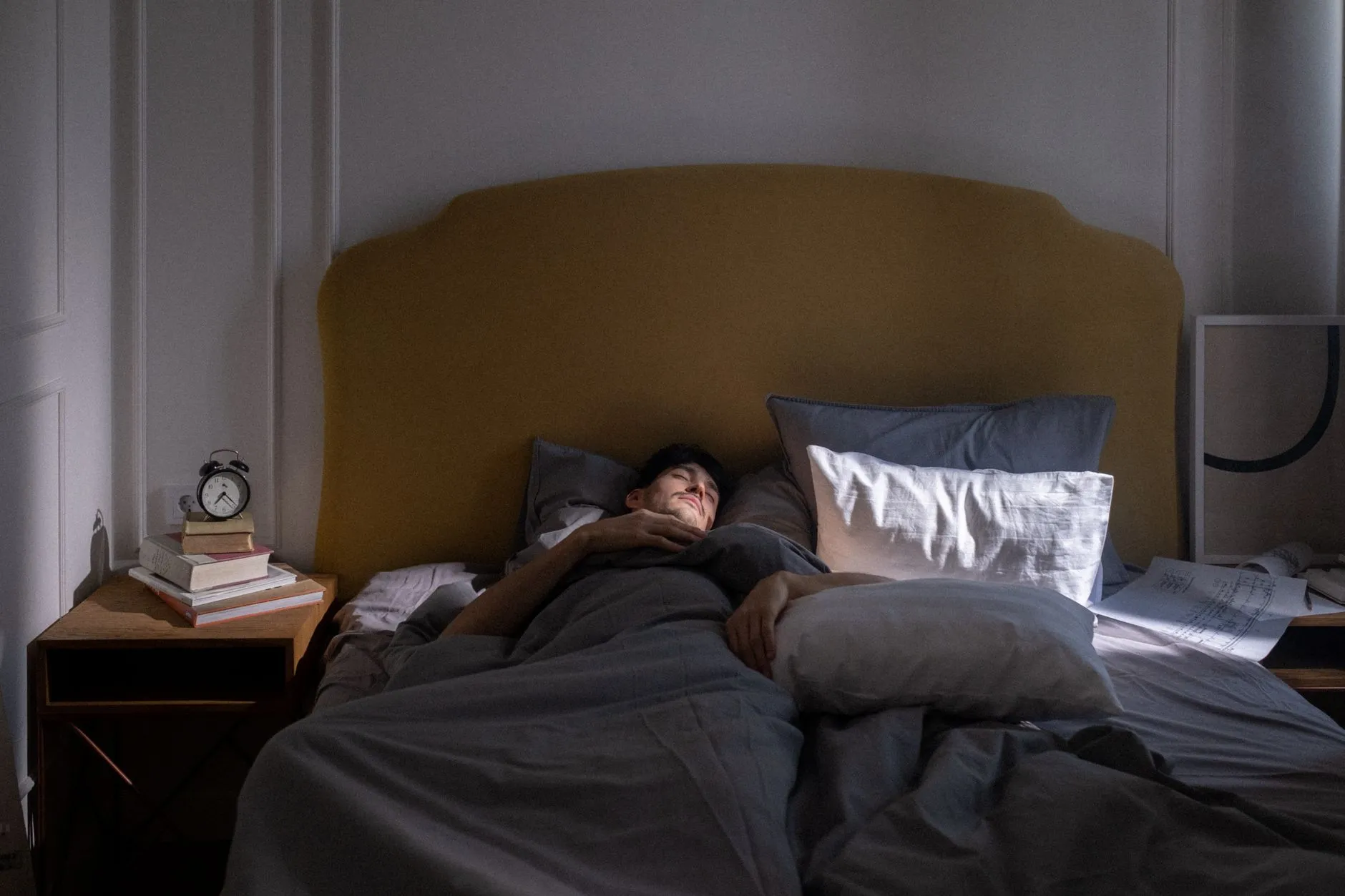
Recovery is not a rest day
A nervous system held in high output shows up as a stiff back, short sleep, a short fuse and a body that never fully settles. Most programs skip this part. Most men in their fifties need it more than another hard session.
So recovery is programmed, not hoped for: sleep architecture, down-regulation, breathing mechanics and load management, alongside the training.
What is included
- Sleep built around your real week: a consistent wake time, daylight early, a short wind-down you can do anywhere
- Down-regulation and breathing work, short and practical
- Load management, so hard days and easy days are placed where your recovery can absorb them
- Wearable data read with your training: sleep duration, consistency and recovery status
- A travel version, for time zones and red-eyes
Why it matters for training after 45
Train hard on short sleep and the same session costs more and returns less. For men managing an old injury, poor sleep also tends to make pain feel louder, which quietly shrinks what you are willing to do in the gym.
The guideline is simple: the American Academy of Sleep Medicine and Sleep Research Society recommend seven or more hours a night for adults, on a regular basis. The practical detail is in how a busy man can sleep better without a perfect routine.
When it is a medical question
Loud snoring with gasping, waking unrefreshed despite enough hours, or insomnia lasting months are conversations for your physician. Coaching can build the routine. It cannot rule out a sleep disorder.
How to start
Sleep and recovery coaching is part of Foundation 90. Start with a free 15-minute call.